In the modern world, problems have also morphed itself into more challenging shapes and needs to be catered in due time. The surge in population has brought more perplexing and complex diseases that requires timely diagnosis for maximizing the overall health infrastructure.
Healthcare Technology Management is the brain of the health infrastructure. Due to corporate pursuits and prevalence of social media usage, people are grappling with the adversities of neurological problems and mental health issues.
For dealing with neurological crisis, technology plays a vital role in peeping into the overall brain structure of the patients. MRI machines, CT scans, infusion pumps and electronic health records, healthcare technology management proves to be pivotal to plain, to acquiesce, to maintain and to ensure safe use of medical technologies and equipment to bolster patients’ care, diagnosis and treatment.
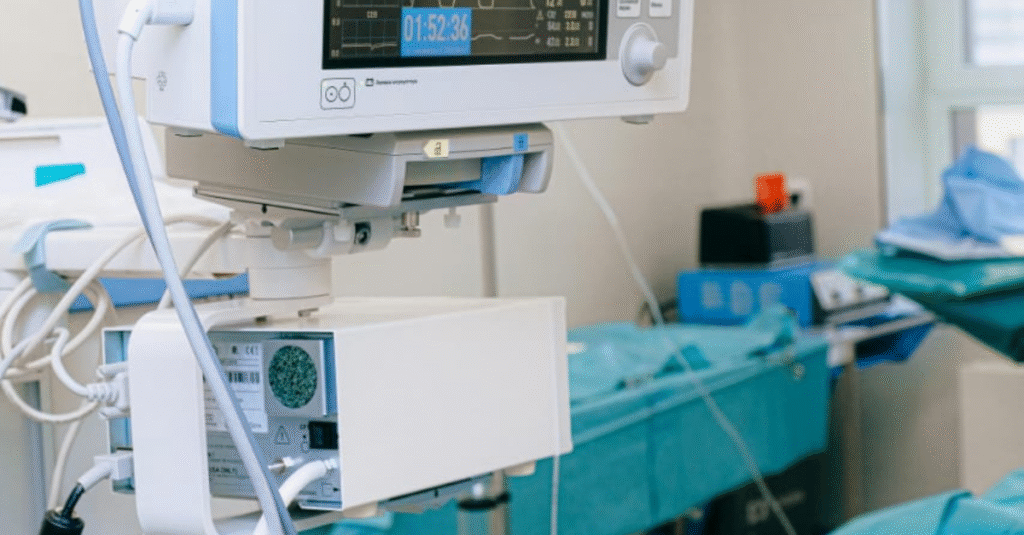
1. What is Healthcare Technology Management (HTM):
Healthcare Technology Management (HTM) is the systematic oversight of medical equipment’s and health-related technologies. It basically abridges the gap between medical innovation and individual/patient’s care and need ensuring that the existing technology supports due diagnosis, treatment and follow ups that must be safe, cost-effective and reliable.
The steps to follow:
- Procure: The right technology based on healthcare system needs and total cost of ownership.
- Manage: it is to make the use of equipment installed until it is no longer needed.
- Maintain: this step takes care of equipment manufacturing till its regulatory standards in order to ensure safety and uptime.
- Secure: it protects medical devices from cyber security threats
- Optimize: At this level, technology uses to support clinical workflows and improved patients’ results.
- Govern: it ensures technological portfolio and regulatory compliance and strategic alignment.
2. The Core Responsibilities of a Healthcare Technology Management (HTM):
The core responsibilities of healthcare technology management is to cover medical imaging systems like MRI, CT scans, and monitoring machines. It also requires an intervention of bio-medical engineers, technicians, IT experts to work in collaboration to ensure the smooth functionality of medical equipment. In case of any mishap, these technical experts intervene and get the technology fixated.
Such intervention optimizes performance of technology and reduces downtimes in the healthcare technology management. It also controls costs by ensuring proper procurement by extending care quality. Such tech-related initiatives have always been ready to evolve as per the nature of diseases and diagnosis.
Healthcare technology management has to actively work with IT department as these devices relate to network. There are higher chances for the devices to catch bugs and glitches. For making the system, there must be harmony of tech and medical teams.
Healthcare technology management also takes care of the clinical staff to be well-equipped with technical trainings. In the times of emergency, these medical staff members may smoothly take over the chaos. It also ensures longevity and stability to overall healthcare management.
3. Healthcare Technology Management’s Significance in 2025:
In the fast-paced world, even the patients need instant diagnosis. In such scenario, there is no room for errors and mistakes. Social media prevalence also makes the mole of hills by exaggerating the matter unnecessarily.
Healthcare Technology Management is also cost effective as it prevents human resource management to over-purchase and to utilize that money into other health-friendly technologies that can reduce the checkups duration. By employing such healthcare technology management, the maximum number of people can be ensured with their good health.
Healthcare Technology Management also aligns local healthcare system with international standards, governmental regulations and accreditation requirements. It also integrates AI and robotics with digital health tools that makes the management more adaptable to the current trends.
The flip side of the coin cannot be avoided. Healthcare technology management attenuates the prospects of misdiagnosis, inadequate treatment and subside the chances of patients’ harm. The more the quality of healthcare technology management, the more the quality of clinical quality and safety can be ensured.
The overall revenue depends on the departments of neurology and cardiology. If there is the happening of downtime, MRI and CT scans failure can leave hospitals with thousands of dollars per hour in revenue. It extends the usable life of assets, delivering strong return in investments.
4. Emerging Trends in Shaping the Future of Healthcare Technology Management (HTM):
Healthcare technology management is rapidly evolving. Following are the key trends for 2025:
- AI and Predictive Analytics: AI has morphed into predictive model rather than preventive one. AI algorithms forecast the failures and progress at the same time as per the data. It helps the maintenance staff to schedule their downtime showdown. This phenomenon is called “fall-and-fix” that is being based on predictions.
- Advanced Telehealth and Remote Monitoring of Patients: By employing the remote monitoring via telephone, virtual consultations guarantee more patients to access the system. Patients find themselves at ease to choose doctors as per their satisfaction. Their choices of opting doctors for consultations save time and money.
- Cybersecurity as a Core Priority: With rising cybersecurity threats in 2025, Healthcare technology management secures patients’ data.
- Integration of Internet of Things (IoT) and Real-time Device Monitoring: It allows clinical devices to get synchronized with the centralized dashboard of the hospital that allow healthcare technology management to tap health, usage and errors in real-time data driven responses and it timely rectifies or forecasts predictable results.
- The Convergence Role of IT and Healthcare Technology Management: the demarcation between clinical engineering and IT is quite murky. The modern healthcare technology management understand clinical application and its global network connection, security dynamics and data integration. This leads to more evolving role that is called as Clinical Systems Engineers.
- Sustainable and Green Healthcare Technology: Green energy is pivotal in an era where climate change crisis is the ticking bomb. In such a matter a matter, eco-friendly device management and energy-efficient networks must be the top-notch priority to safeguard patients’ data records.
5. Building and Optimization of World-Class Healthcare Technology Management (HTM) Program:
If healthcare technology management works for attaining the top-quality healthcare programs, they directly mean to improve overall strong system for handling medical equipment and devices, more safer working of devices, cost-effective procedures and procurements with acquainting hospitals with trained IT workers, doctors, nurses, therapists and engineers.
AI and data analytics also help to improve forecasting more accurate and targeted. It will help the medical staff to be more targeted and result-driven while treating patients. AI does not only ease the medical procedures but also optimizes time frame for dealing with patients with more accuracy where there are lesser or no prospects of being skeptical about diseases and its treatment procedures.
By employing such approach where hybridisation of skills work, the employment rate of multifarious fields becomes approachable. People with diverse backgrounds and skills come under the same roof and make their skills shared and accessible.
6. Case Study: Transforming Equipment Management with Healthcare Technology Management (HTM) at Cleveland Clinic in United States of America
Cleveland Clinic is considered one of the renowned hospitals which encountered setbacks in terms of managing medical devices, high maintenance costs, downtime of critical machines and lack of any centralized tracking system that can operate the functions properly.
in such a case, healthcare technology management set its footings in and partnered with Sodexo Healthcare technology management services. It managed over 60,000 medical services. Healthcare technology management introduced centralized system to tap the lifecycle of equipment and devices installed in every hospital. They also tap the performance of these devices as well.
It helped in predicting the need of maintenance beforehand so that impromptu mishappenings can be catered in due time. For this reason, team of engineers and technicians are introduced with apt training skills.
It resulted in faster patients’ care and saved millions of dollars in repair and replacement cost. It also ameliorated the whole system by ensuring calculated predictions about when to replace and to upgrade machines.
7. Concluding Remarks:
In the nutshell, healthcare technology management shed its identity as a cost center for strategic purposes. In the world of high stakes, modern healthcare work as an effective and adequate program. It is fundamentally safe for people, doctors, technicians and even green environment by ensuring high-quality of patient care.
In short, world’s high quality healthcare technology is the byproduct of healthcare technology management which has to be exceptional soon to cater more fatal diseases invisibly sitting.